A cultural event can begin with something as simple as a neighborhood food gathering, a traditional music performance, or a celebration of an important local festival. Yet when people come together to share their stories, customs, art, and traditions, the experience can become much more meaningful. It can strengthen community relationships, introduce younger generations to their heritage, and help visitors understand the identity of a place.
Planning such an event takes more than choosing a venue and arranging entertainment. Organizers must understand the community, respect cultural traditions, manage practical details, and create opportunities for people to participate. A successful event should feel authentic to the people whose culture it represents.
This cultural events planning guide explores how to develop an event from the first idea to the final evaluation. It covers community engagement, programming, budgeting, accessibility, promotion, event operations, and heritage preservation. Whether you are organizing a small local gathering or a large multicultural festival, the same principle applies: the strongest cultural events are planned with communities, not simply for them.
Understanding the Purpose of Cultural Events
Cultural events bring people together through shared traditions, creative expression, history, and community experiences. They can take many forms, including heritage festivals, traditional dance performances, food fairs, craft exhibitions, storytelling sessions, religious celebrations, and multicultural gatherings.
Their value extends beyond entertainment. These events can support local artists, create opportunities for cultural education, encourage tourism, and strengthen relationships between generations.
Different Types of Cultural Events
Before planning begins, organizers should identify the type of experience they want to create. The format influences the venue, budget, audience, performers, and operational requirements.
Common examples include:
Heritage festivals: These celebrate local history, traditional clothing, music, crafts, food, and customs. They often involve community groups and cultural organizations.
Multicultural celebrations: These bring different cultural communities together through performances, exhibitions, food, and educational activities. They can encourage meaningful interaction between people with different backgrounds.
Traditional arts events: These focus on specific art forms, such as folk music, dance, weaving, pottery, painting, or storytelling. They provide visibility for artists and help pass creative knowledge to younger generations.
Historical and educational events: These may include museum activities, heritage walks, historical reenactments, lectures, and exhibitions that help visitors understand the past.
The event format should reflect the traditions being represented. A community storytelling evening, for example, may benefit from an intimate venue and direct audience participation. A large cultural festival may need multiple stages, food areas, workshops, and dedicated visitor facilities.
Start With Community Engagement and Consultation
Community involvement should be one of the first steps in cultural event planning. Organizers should not assume they already understand what a community wants to celebrate or how its traditions should be presented.
A meaningful event begins with listening. Speak with local residents, cultural associations, traditional artists, elders, historians, young people, and community leaders. Ask which traditions matter to them, what stories they want to share, and which parts of the event should remain under community control.
UNESCO’s Convention for the Safeguarding of the Intangible Cultural Heritage emphasizes the active participation of the communities, groups, and individuals who create, maintain, and transmit cultural heritage. This makes consultation more than a public relations activity. It is an important part of responsible heritage work.
Build a Community Planning Group
A planning committee with diverse representation can help organizers make better decisions. It should include people who understand the cultural practices being featured, alongside professionals who can manage logistics, promotion, finance, and safety.
For example, a neighborhood planning a traditional food and music festival could invite local cooks, musicians, craft workers, youth representatives, and community elders to contribute. Each group can offer knowledge that a professional event organizer might not have.
The committee should have a meaningful role in decision-making. Inviting community members to meetings without giving them influence over the program can create frustration and reduce trust.
Give Local People Opportunities to Participate
Community engagement should continue throughout the event. Local residents can contribute as performers, workshop leaders, volunteers, storytellers, vendors, guides, and cultural advisers.
Participation also creates a stronger sense of ownership. People are more likely to support an event when they can see their knowledge, creativity, and contributions reflected in the program.
Organizers should also make participation practical. This may involve affordable vendor spaces, clear application procedures, reasonable performance fees, and accessible meeting arrangements.
Create a Clear Event Concept and Plan
Once the community’s priorities are understood, the next step is to develop a clear event concept. This is the foundation for decisions about programming, audience, location, budget, and promotion.
Start by defining the event’s main purpose. Is it intended to preserve a traditional art form, celebrate a local festival, educate younger generations, encourage cultural exchange, or support local creative businesses?
An event can pursue several goals, but its central purpose should be easy to explain. A clear concept helps organizers avoid adding activities that look attractive but do not contribute to the experience.
Set Measurable Objectives
Objectives turn an idea into a plan that can be evaluated. Instead of simply aiming to organize a successful festival, define what success should mean.
For example, organizers might aim to involve a certain number of local artists, provide educational activities for children, create opportunities for traditional craftspeople to sell their work, or increase participation from underrepresented community groups.
These objectives should be realistic and relevant to the event’s purpose. Attendance figures are useful, but they should not be the only measure of success.
Identify the Target Audience
Different audiences may have different expectations. Families may look for child-friendly activities, while cultural researchers may be interested in demonstrations, discussions, and historical information.
Consider local residents, visitors, students, tourists, artists, families, and cultural organizations. Understanding the audience helps determine event timing, ticket prices, communication channels, and program design.
A cultural events planning guide should also consider whether the event is intended mainly for the community or whether it aims to attract a wider audience. This distinction affects nearly every planning decision.
Design a Meaningful Cultural Program
The program is where the event’s purpose becomes an actual experience. A strong cultural program gives visitors opportunities to watch, listen, learn, participate, and connect with the people behind the traditions.
It should offer variety without becoming overcrowded. A schedule filled with continuous performances may leave little room for conversation, workshops, or informal cultural exchange.
Include Authentic Performances and Activities
Traditional music, dance, storytelling, craft demonstrations, food preparation, and cultural exhibitions can make an event memorable. However, activities should be selected with input from people who understand the traditions.
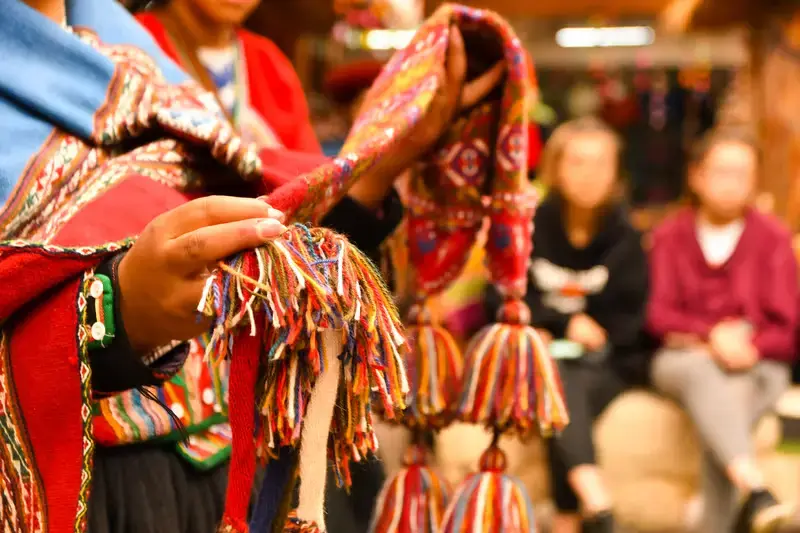
Consider a local heritage festival featuring traditional weaving. Instead of displaying finished textiles alone, organizers could invite experienced craftspeople to demonstrate the process, explain the materials, and discuss how the practice has changed over time.
Visitors gain a deeper understanding, while practitioners receive recognition for their knowledge and skills.
Create Opportunities for Different Generations
Intergenerational activities are particularly valuable for heritage preservation. Older community members may hold knowledge about traditional songs, recipes, ceremonies, languages, or crafts that younger people have not had the opportunity to learn.
Events can create spaces where this knowledge is shared naturally. Storytelling sessions, cooking demonstrations, traditional games, and craft workshops allow people of different ages to learn together.
Children and young adults should not be treated only as spectators. Give them opportunities to perform, ask questions, document stories, and participate in creative activities.
Maintain a Balanced Schedule
A well-organized program considers audience movement, performer preparation, technical requirements, and natural breaks. Major performances should have enough time for setup and transitions.
Avoid scheduling several popular activities at the same time if they are likely to attract the same audience. Provide clear program information so visitors can decide where to go.
It is also sensible to include quiet areas where people can rest, talk, or take a break from crowded performance spaces.
Protect Cultural Heritage and Respect Traditions
Heritage preservation should be central to events that celebrate traditional practices. Organizers need to understand the difference between presenting a cultural tradition and using it as decoration.
Some traditions are connected to specific communities, ceremonies, sacred places, or customary restrictions. They may not be suitable for public performance or commercial use. Organizers should seek permission before recording, adapting, displaying, or promoting culturally significant material.
UNESCO’s ethical principles for intangible cultural heritage emphasize that communities should have the primary role in safeguarding their heritage. They also highlight transparent collaboration, consultation, mutual respect, and informed consent.
Support the People Who Preserve Traditions
Traditional artists, craftspeople, performers, and knowledge holders are not simply entertainment providers. Their work helps keep cultural practices alive.
Where possible, pay them fairly, credit their contributions, and give them control over how their work is presented. Avoid assuming that people should perform or demonstrate skills without compensation because the event is celebrating their culture.
Organizers can also support practitioners by arranging workshops, selling locally made products, and connecting them with educational institutions or cultural organizations.
Document Cultural Knowledge Responsibly
Photography, video, audio recordings, and written interviews can help preserve memories and make cultural knowledge accessible to future generations.
However, documentation should be handled carefully. Ask permission before recording individuals or cultural activities. Explain how the material will be stored, shared, and used.
Some information may be private or restricted. Community members should have a say in what can be documented and what should remain within the community.
A responsible event creates opportunities for cultural preservation without treating every tradition as public content.
Choose the Right Venue and Manage Logistics
Even a meaningful cultural program can struggle if the venue is unsuitable. Location affects attendance, accessibility, atmosphere, safety, technical requirements, and the overall visitor experience.
The venue should match the event’s size and character. A historical building may create a strong setting for a heritage exhibition, while an outdoor park may suit a community festival with food stalls and live performances.
Assess Location and Facilities
Consider public transport, parking, walking routes, nearby facilities, and the distance between different activity areas. For outdoor events, organizers should also assess weather exposure, ground conditions, lighting, and emergency access.
Check whether the venue has suitable power supplies, sound equipment, toilets, drinking water, waste facilities, storage, and performer preparation areas.
If the event takes place at a historic site, additional care may be necessary. Heavy equipment, temporary structures, crowd movement, and food service should not damage the building or surrounding environment.
Plan Crowd Movement and Safety
A site plan should identify entrances, exits, stages, seating, food areas, information points, first-aid facilities, and emergency routes.
Think about how visitors will move between activities. Narrow pathways, poorly placed stalls, and unclear signs can create congestion.
Assign trained staff or volunteers to important areas. Everyone should understand their responsibilities and know who to contact if an incident occurs.
The event’s safety plan should reflect its actual risks, including crowd size, weather, equipment, food handling, and the needs of performers and visitors.
Make Cultural Events Accessible and Inclusive
A cultural event should provide meaningful opportunities for people with different abilities, ages, languages, and backgrounds to participate.
Accessibility needs to be considered during planning rather than added at the last minute. Venue layout, ticketing, communication, programming, and visitor services can all create barriers if they are not designed carefully.
The European Union’s AccessibleEU resource published an event accessibility guide in 2026. It covers areas such as venue organization, layout, programming, and communication, reinforcing the importance of treating accessibility as part of event quality.
Remove Physical and Communication Barriers
Where possible, provide step-free routes, accessible toilets, suitable seating, clear signs, and enough space for wheelchair users. Consider reserved viewing areas and assistance for visitors who may need additional support.
Communication also matters. Depending on the audience, useful measures may include translated program information, captions, sign language interpretation, large-print materials, or audio descriptions.
Online event pages should clearly explain accessibility arrangements before people attend. Visitors should not have to guess whether the venue or activities will meet their needs.
Create a Welcoming Environment
Inclusive event planning also involves how people are treated. Train staff and volunteers to communicate respectfully and respond appropriately to visitor requests.
Consider different dietary needs, prayer or quiet spaces where relevant, family facilities, and clear procedures for reporting harassment or discrimination.
Cultural diversity should be reflected in the planning process itself. People from the communities represented should have opportunities to shape the event rather than being invited only to perform.
Develop a Realistic Budget and Find Support
A budget helps organizers understand what the event can achieve with available resources. Cultural events often involve several expenses, including venue hire, performer fees, equipment, insurance, transportation, promotion, security, accessibility arrangements, and cleaning.
Start by identifying essential costs. These are expenses that directly affect safety, cultural participation, and the ability to deliver the planned program.
Then estimate optional costs and consider where partnerships or in-kind support may help. Local businesses might provide refreshments, printing, equipment, or volunteer assistance.
Explore Funding and Partnerships
Potential funding sources include local government grants, cultural institutions, arts councils, community foundations, sponsorships, ticket sales, and donations.
Partnerships with schools, museums, libraries, universities, tourism organizations, and cultural associations can provide more than money. They may contribute expertise, venues, equipment, volunteers, or access to audiences.
Be thoughtful when accepting sponsorship. A sponsor’s involvement should not compromise the cultural purpose of the event or place inappropriate pressure on community participants.
Prepare for Unexpected Costs
Unexpected expenses are common in event planning. Weather changes, equipment replacement, additional security, and last-minute transportation needs can affect the budget.
Set aside a contingency allowance based on the event’s scale and risk. Keep track of spending throughout the planning process rather than reviewing costs only after the event.
Financial transparency is also important when public grants or community contributions are involved. Organizers should be able to explain how funds were used and what the event achieved.
Promote the Event and Build Community Interest
Promotion should communicate more than the event date and location. It should explain why the celebration matters, what visitors can experience, and how the community is involved.
Start promotion early enough for people to make arrangements. Use a mix of digital and local communication channels, depending on the audience.
Social media, community websites, email newsletters, local newspapers, schools, libraries, cultural associations, and posters can all help reach different groups.
Tell Stories That Reflect the Community
People often connect more strongly with personal stories than with generic promotional messages. Introduce the artists, craftspeople, volunteers, and community members who are contributing to the event.
For example, a short interview with a traditional musician can explain how a particular instrument is made or why a song has special meaning. A post about a local food vendor can introduce the history behind a traditional recipe.
Always obtain permission before sharing personal stories, images, or recordings. Make sure promotional content represents the people involved accurately and respectfully.
Make Event Information Easy to Find
Every promotional channel should communicate the essential details clearly. Include the date, location, schedule, ticket information, transport options, accessibility arrangements, and contact or support procedures where applicable.
Keep information consistent across platforms. If a performance time or venue changes, update the website, social media pages, printed information, and partner announcement.
Conclusion
Cultural events are most successful when they bring people together while respecting the traditions and communities they represent. Good planning connects community consultation, meaningful programming, heritage preservation, accessible facilities, responsible budgeting, and effective promotion.
Organizers should begin by listening to local people and understanding what they want to celebrate. They should then create a practical plan that gives cultural practitioners a meaningful role and provides visitors with opportunities to learn and participate.
This cultural events planning guide highlights an important principle: an event should leave more behind than photographs and memories. It should strengthen relationships, support cultural knowledge, create opportunities for local people, and encourage traditions to continue across generations.
With thoughtful preparation and genuine community involvement, even a small local gathering can become a valuable contribution to cultural life.