
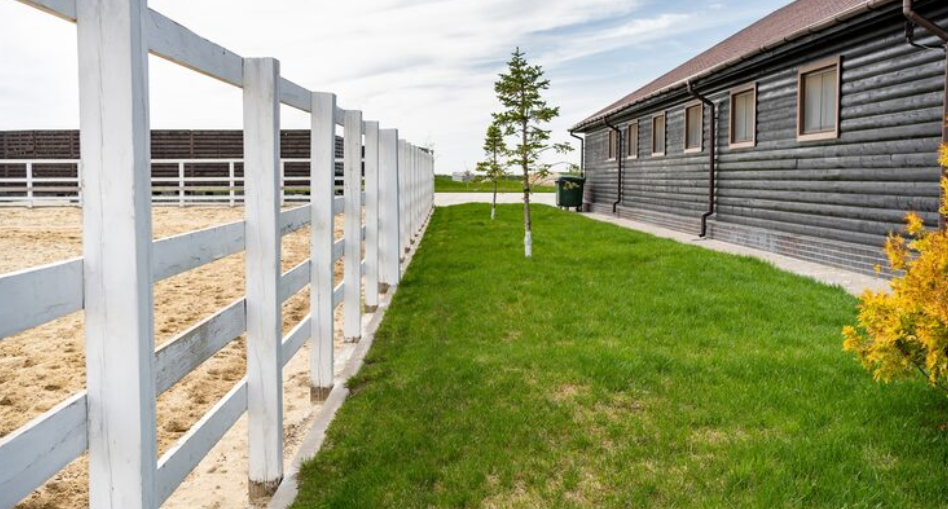
Running a farm requires proper planning, organization, and attention to safety. Farmers need to protect their animals, crops, equipment, and land while keeping daily activities running smoothly. One effective way to achieve these goals is by installing suitable agricultural fencing. A well-designed fence helps control movement, protect valuable resources, and divide different areas of a farm. It also makes farm management easier and creates a safer environment for workers and animals.
Protecting Livestock from Outside Dangers
One of the main benefits of agricultural fencing is livestock protection. Farm animals can sometimes wander away from their designated areas, putting themselves at risk of accidents, injuries, or getting lost. Strong and properly installed fencing helps keep animals within safe boundaries.
It also prevents unwanted animals and strangers from entering livestock areas. Depending on the farm’s location and needs, farmers can choose fencing materials that provide reliable protection. This helps create a secure environment where animals can move around comfortably without unnecessary risks.
Keeping Crops Safe from Animals
Crops are valuable resources, and protecting them is an important part of successful farming. Without proper boundaries, livestock and wild animals may enter growing areas and damage plants, vegetables, and other agricultural products.
Agricultural fencing helps separate crop fields from grazing areas and reduces the chances of unwanted animal access. This allows farmers to manage their crops more effectively and protect their investment. With suitable fencing in place, farmers can maintain better control over their growing areas throughout the planting and harvesting seasons.
Creating Organized Farm Sections
A large farm can become difficult to manage when different activities take place in the same open area. Fencing provides a simple way to divide land into separate sections for livestock, crops, storage, and equipment.
These clearly defined areas help farmers organize their daily operations. For example, animals can be kept in designated grazing spaces while machinery and farming supplies remain in separate locations. Agricultural fencing also makes it easier to manage rotational grazing by allowing farmers to move livestock between different sections of land.
Improving Safety for Farm Workers
Farm safety is important for everyone working on the property. Uncontrolled animal movement, open machinery areas, and unclear boundaries can increase the chances of accidents. Proper fencing helps reduce these risks by separating potentially dangerous areas from regular working spaces.
It also guides workers toward designated paths and entrances, making daily tasks more manageable. When boundaries are clearly marked, employees can understand which areas are safe to access and where extra care is needed. This supports a more organized and secure working environment.
Choosing the Right Fencing Materials
Selecting suitable fencing materials is essential for long-term performance. Farmers should consider the type of livestock, land conditions, weather, and overall purpose of the fence before making a decision. Options such as wire fencing, wooden fencing, and electric fencing can serve different agricultural needs.
Good-quality agricultural fencing should be strong, durable, and suitable for the farm’s environment. Regular inspections and timely repairs also help maintain its effectiveness and prevent unexpected problems.
Conclusion
Agricultural fencing plays an important role in creating a safer and more organized farm. It protects livestock and crops, separates different working areas, and improves safety for farm employees. By choosing suitable materials and maintaining clear boundaries, farmers can manage their properties more efficiently. A well-planned fencing system is a valuable investment that supports better farm operations and long-term productivity.