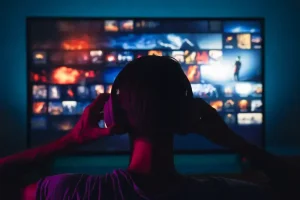

Entertainment has moved far beyond television schedules, cinema screens, and physical music collections. Today, people can watch a film on a smartphone, follow a live concert through social media, listen to podcasts during a commute, or join an online gaming community from almost anywhere. Digital platforms have changed not only where entertainment is consumed but also how audiences discover, discuss, and participate in it.
The entertainment web describes the connected digital environment where entertainment content is created, distributed, accessed, and shared through internet-based platforms. It includes streaming services, social networks, online gaming, digital publishing, podcasts, and interactive media experiences. These services have made entertainment more accessible while changing the relationship between creators, distributors, and audiences.
Understanding entertainment web means looking beyond individual apps or websites. It involves examining the technology, business models, audience behavior, and cultural changes that shape modern media consumption. This article explores how the entertainment web developed, what defines it, and why it has become a major force in global media.
What Is the Entertainment Web?
The entertainment web is the collection of internet-based platforms, technologies, and communities that deliver entertainment content and enable audience interaction. Unlike traditional media systems, which often relied on scheduled broadcasts or physical distribution, the entertainment web allows users to access content across devices and locations.
It includes video streaming, digital music, online games, social media entertainment, podcasts, web series, creator platforms, and virtual experiences. These formats may operate independently, but they increasingly overlap. A television series can become a popular discussion topic on social media, inspire fan-created videos, and generate podcasts analyzing its characters and storyline.
This connected environment makes entertainment more participatory. Audiences are no longer limited to watching or listening. They can comment, review, remix, share, livestream, and create their own material.
The Difference Between Traditional Media and Digital Entertainment
Traditional media generally followed a more centralized distribution model. Television networks selected programming schedules, radio stations controlled playlists, and film distributors managed theatrical releases. Audiences had relatively limited influence over when and how content became available.
Digital entertainment has changed that structure. Streaming platforms provide large content libraries, while social networks allow creators to distribute videos directly. Independent musicians can release songs online without depending entirely on traditional record distribution.
However, traditional media has not disappeared. Television networks, film studios, radio companies, and publishers still play important roles. Many have developed digital services to reach audiences who increasingly expect flexible access.
The major difference is the level of control and choice available to consumers. People can select content, devices, viewing times, and platforms according to their preferences.
How the Entertainment Web Developed
The entertainment web evolved through several stages of internet development. Early websites mainly offered text, images, downloadable files, and basic multimedia. Slow internet connections and limited device capabilities restricted the quality of online entertainment.
As broadband access improved, video streaming and digital music became more practical. Smartphones later made entertainment portable, allowing people to access media while commuting, traveling, or relaxing away from home.
The expansion of cloud infrastructure, faster mobile networks, and connected devices further supported this shift. Today, entertainment can move between phones, televisions, tablets, laptops, and gaming systems with relatively little interruption.
From Downloading to On-Demand Streaming
Early digital music and video services often depended on downloading files. Users needed to store content locally and manage their collections. Streaming changed this experience by allowing content to play over an internet connection without requiring a permanent local copy.
Services such as Netflix and Spotify helped make on-demand entertainment a mainstream habit. Users could select films, television programs, and music from digital catalogs rather than relying entirely on scheduled broadcasts or physical collections.
This transition also changed industry economics. Subscription services introduced recurring revenue models, while advertising-supported platforms offered free access in exchange for audience attention and advertising exposure.
The Rise of Mobile and Social Entertainment
Smartphones made entertainment more personal and immediate. Users could watch short videos, listen to music, follow creators, and participate in online communities throughout the day.
Social platforms also changed how content spreads. A short clip, music trend, or comedy sketch can reach international audiences through recommendations and sharing. This gives independent creators opportunities to attract attention without relying solely on established media companies.
Understanding entertainment web therefore requires recognizing that distribution and discovery have become closely connected. A piece of content can be created, published, recommended, discussed, and remixed within the same digital environment.
The Major Components of the Entertainment Web
The entertainment web is not one platform or content format. It is an interconnected ecosystem with several major components. Each serves different audience needs and contributes to the way entertainment is produced and consumed.
Video and Music Streaming Platforms
Streaming services are among the most influential parts of digital entertainment. Video platforms provide films, television programs, documentaries, and original productions. Music services offer large catalogs, playlists, podcasts, and personalized listening recommendations.
Their convenience is a major reason for their popularity. Users can explore content based on mood, genre, language, or personal interests. They can also continue watching or listening across compatible devices.
However, the subscription model has created new challenges. Consumers may need several subscriptions to access the content they want. Rising costs and fragmented libraries can encourage people to switch services or cancel subscriptions.
For media companies, the challenge is balancing content investment, subscriber retention, licensing costs, and profitability.
Social Media and Creator Platforms
Social media has become a major entertainment destination rather than simply a communication tool. Short videos, livestreams, comedy content, music performances, interviews, and behind-the-scenes material attract audiences throughout the day.
Platforms such as YouTube and TikTok allow creators to build communities around specific interests. A creator can develop an audience through regular content without operating a traditional television or publishing company.
This creates opportunities for independent voices, but it also increases competition. Creators must understand audience expectations, platform policies, content quality, and changing recommendation systems. A large following does not automatically translate into stable income.
Online Gaming and Interactive Entertainment
Gaming has become a central part of the entertainment web. Modern games connect players through multiplayer environments, online communities, downloadable content, and live events.
The experience often extends beyond playing a game. Viewers watch gameplay streams, follow esports competitions, discuss updates, and participate in fan communities.
Interactive entertainment changes the audience relationship because users influence what happens rather than simply observing a finished production. Gaming platforms also combine entertainment with social interaction, making them important spaces for digital communities.
Podcasts and Digital Publishing
Podcasts have expanded access to interviews, storytelling, education, commentary, and specialist discussions. Listeners can choose subjects and episodes that match their interests instead of following a fixed radio schedule.
Digital magazines, newsletters, web comics, and independent publications contribute to the same ecosystem. They allow creators to publish directly and build relationships with niche audiences.
This variety is important because global entertainment consumption is not limited to video. Audio and written formats remain valuable for people who want deeper information, convenient listening, or entertainment that fits around other activities.
How the Entertainment Web Has Reshaped Global Media Consumption
The entertainment web has changed audience expectations, industry competition, and cultural exchange. Its influence extends beyond convenience because it affects what people watch, how they discover content, and which creators gain visibility.
Greater Accessibility and Consumer Choice
Audiences can now access a wider range of entertainment without depending entirely on local broadcast schedules or physical distribution. International films, independent music, specialist documentaries, and niche creator content may be available to people who previously had limited access.
This wider choice can support cultural discovery. A viewer in one country may follow a drama produced in another, while a musician can attract listeners across several continents.
However, access is not equal everywhere. Internet affordability, device availability, digital literacy, payment restrictions, and regional licensing still influence what people can use. The entertainment web has expanded access, but it has not removed every barrier.
Personalized Recommendations and Algorithmic Discovery
Recommendation systems influence what users see when they open streaming or social platforms. These systems analyze signals such as viewing history, searches, engagement, and content preferences to suggest material.
Personalization can make large content libraries easier to explore. Someone interested in historical documentaries may receive recommendations for related films, interviews, and educational programs.
Yet recommendation systems can also narrow discovery. If users repeatedly receive similar content, they may have fewer opportunities to encounter unfamiliar subjects or perspectives.
A healthier digital entertainment experience involves exploring beyond automated suggestions. Users can search manually, follow diverse creators, and occasionally choose content outside their usual interests.
Global Cultural Exchange
Digital distribution has made international entertainment more visible. Music, films, television series, comedy, and online creators can cross national boundaries more easily than in earlier media environments.
This exchange can introduce audiences to different languages, traditions, storytelling styles, and social experiences. It also creates opportunities for creators to build international communities.
At the same time, global reach does not guarantee equal representation. Large platforms and commercial trends can influence which languages and formats receive the most visibility. Supporting local creators and regional content remains important for cultural diversity.
The Business Models Behind the Entertainment Web
The growth of online entertainment has created several business models. Each determines how platforms earn revenue and how audiences access content.
Subscription services charge recurring fees for access to a catalog or premium features. Advertising-supported platforms offer free or lower-cost access while earning money through advertising. Transaction-based services charge for individual purchases, rentals, or digital events.
Some platforms combine these models. A streaming service may offer both subscription and advertising-supported plans, while creators may earn through sponsorships, memberships, advertising revenue, or direct audience support.
These models affect content decisions. Subscription platforms need material that attracts and retains paying users. Advertising-supported services focus heavily on audience attention and advertiser demand. Independent creators must balance content quality with the time and resources needed to maintain regular publishing.
Understanding entertainment web includes understanding these commercial pressures. The content people see is shaped not only by creative decisions but also by licensing agreements, platform economics, advertising markets, and competition.
Challenges Facing the Modern Entertainment Web
Although digital entertainment provides convenience and choice, it also creates important concerns for audiences, creators, and businesses.
Privacy and Data Collection
Many entertainment platforms collect information about user activity to personalize recommendations, measure engagement, and support advertising. This can improve the experience, but it raises questions about how personal information is stored, shared, and used.
Users should review privacy settings, understand app permissions, and avoid sharing unnecessary personal information. Platforms also have a responsibility to explain their data practices clearly and follow applicable privacy regulations.
Misinformation, Harmful Content, and Digital Well-Being
The speed of online distribution makes it easier for misleading material, manipulated media, and harmful content to spread. Recommendation systems can amplify engaging material even when it is inaccurate or damaging.
Digital well-being is another concern. Endless scrolling, autoplay, and frequent notifications can make it difficult to manage screen time.
Users can create healthier habits by setting viewing limits, disabling unnecessary notifications, and choosing content intentionally. Parents and educators can also help younger audiences develop critical media literacy.
Copyright and Creator Compensation
Digital distribution makes sharing content easier, but it also creates copyright challenges. Unauthorized uploads, music usage, copied videos, and unlicensed material can affect creators and rights holders.
Creators need clear information about licensing, ownership, platform monetization rules, and permitted content use. Platforms must also develop effective systems for handling copyright disputes and ensuring fair treatment.
A sustainable entertainment ecosystem depends on rewarding creative work while allowing legitimate access and cultural participation.
The Future of the Entertainment Web
The entertainment web will continue evolving as technology and audience expectations change. Artificial intelligence is already being used for recommendations, editing support, translation, accessibility features, and some forms of content production.
These tools may make entertainment more personalized and accessible. Automatic subtitles and translation can help content reach audiences across language barriers. Interactive storytelling may also give users more influence over how digital experiences unfold.
However, technology should support creative judgment rather than replace it. Audiences still value original ideas, authentic performances, meaningful stories, and trustworthy creators.
Businesses should pay attention to changing consumption habits without chasing every new trend. Strong content, responsible data practices, accessibility, and a clear audience relationship are likely to remain important regardless of the technology used to deliver entertainment.
Conclusion
The entertainment web has transformed global media consumption by making content more accessible, interactive, personalized, and connected. Streaming platforms, social networks, online gaming, podcasts, and digital publishing have expanded the ways people discover and experience entertainment.
Understanding entertainment web means recognizing both its opportunities and its limitations. It supports global cultural exchange and gives independent creators new ways to reach audiences. At the same time, it raises questions about privacy, content quality, copyright, platform influence, and digital well-being.
The future of entertainment will depend on how creators, platforms, and audiences respond to these changes. Technology will continue to reshape distribution, but meaningful content and genuine human connection will remain at the center of the entertainment experience.
FAQs
1. What is the entertainment web in simple terms?
The entertainment web is the online environment where people access, create, share, and discuss digital entertainment. It includes streaming services, social media, online games, podcasts, and digital publications. These platforms allow audiences to enjoy content across devices and interact with creators and communities.
2. How has the entertainment web changed traditional media?
It has shifted media consumption from fixed schedules and physical formats toward on-demand access. Audiences can choose what to watch or listen to and when. Traditional broadcasters and studios now compete with streaming services, independent creators, and social platforms for attention.
3. Why are streaming platforms important in digital entertainment?
Streaming platforms provide convenient access to large libraries of video and audio content. They support personalized recommendations, flexible viewing, and international distribution. Their subscription and advertising models have also changed how media companies finance, distribute, and promote entertainment.
4. How does the entertainment web influence global culture?
It allows films, music, games, and online creators to reach audiences across national boundaries. This encourages cultural exchange and introduces people to different languages and creative styles. However, platform visibility and language barriers can still affect which cultures receive attention.
5. What challenges does the entertainment web create?
Major challenges include privacy concerns, misinformation, copyright disputes, unequal digital access, and excessive screen use. Users should develop media literacy and manage their online habits, while platforms and creators should prioritize transparency, responsible publishing, and fair content practices.