Building safety is an important responsibility for property owners, business managers, and homeowners. Fires can start unexpectedly and spread quickly, putting people, property, and valuable belongings at risk. Taking the right safety measures can help reduce these dangers and provide more time for people to escape safely. One effective safety measure is installing fire doors. These specially designed doors help slow the spread of fire and smoke, making buildings safer for everyone. Understanding their benefits can help property owners make better decisions about fire protection.
What Are Fire Doors?
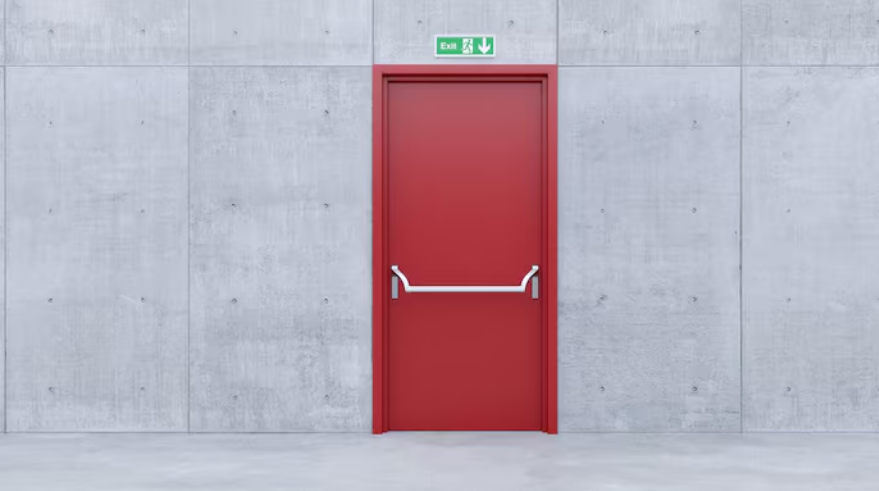
Fire doors are specially designed doors that help prevent fire and smoke from spreading between different areas of a building. They are made using fire-resistant materials and are tested to meet specific safety standards. Depending on their design and rating, they can resist fire for a set period, such as 30, 60, or 90 minutes.
Unlike ordinary doors, fire doors usually include special seals, frames, hinges, and closing systems. These components work together to maintain protection during a fire. When installed correctly, fire doors create a protective barrier between rooms, corridors, and stairways.
How Fire Doors Slow the Spread of Fire
One of the main benefits of fire doors is their ability to slow down the movement of flames and heat. When a fire starts in one part of a building, it can quickly spread through open doorways and connecting spaces. Fire doors help limit this movement by separating different sections of the property.
This separation can reduce damage and give emergency services more time to respond. It also helps prevent a small fire from affecting the entire building. By keeping fire contained for a certain period, fire doors play an important role in improving overall building safety.
Protecting People from Smoke and Heat
Smoke can be just as dangerous as flames during a fire. It can spread through hallways and rooms, making it difficult for people to see, breathe, and find emergency exits. Fire doors are designed to help limit smoke movement when fitted with suitable smoke seals.
This protection can make escape routes safer and give occupants more time to leave the building. In offices, schools, hospitals, and residential properties, this extra time can be especially valuable. Properly maintained fire doors help create safer spaces during emergencies.
Supporting Safe Emergency Evacuations
A well-planned evacuation process is essential for every building. Fire doors help support this process by protecting stairwells, corridors, and other important escape routes. They can prevent fire and smoke from reaching these areas too quickly.
When people have safer routes to follow, they can leave the building in a more organised manner. Fire doors are particularly useful in larger buildings where many people may need to evacuate at the same time.
The Importance of Proper Installation and Maintenance
Even high-quality fire doors cannot provide reliable protection if they are installed incorrectly or poorly maintained. Their frames, hinges, seals, and closing mechanisms must all work properly. Doors should also close fully without being blocked or held open.
Regular inspections help identify damaged seals, loose fittings, and other problems. Property owners should arrange professional checks and ensure that any repairs use suitable fire-rated components.
Conclusion
Fire doors add an important layer of protection by slowing the spread of flames, heat, and smoke throughout a building. They also help protect escape routes and provide occupants with more time to reach safety. With proper installation, regular inspections, and suitable maintenance, fire doors can support a stronger fire safety plan and help protect both people and property.